


 49 / 64

Radiation Oncology
Volume 12 No 2
I
March 2016
49
A Message
from the Dean
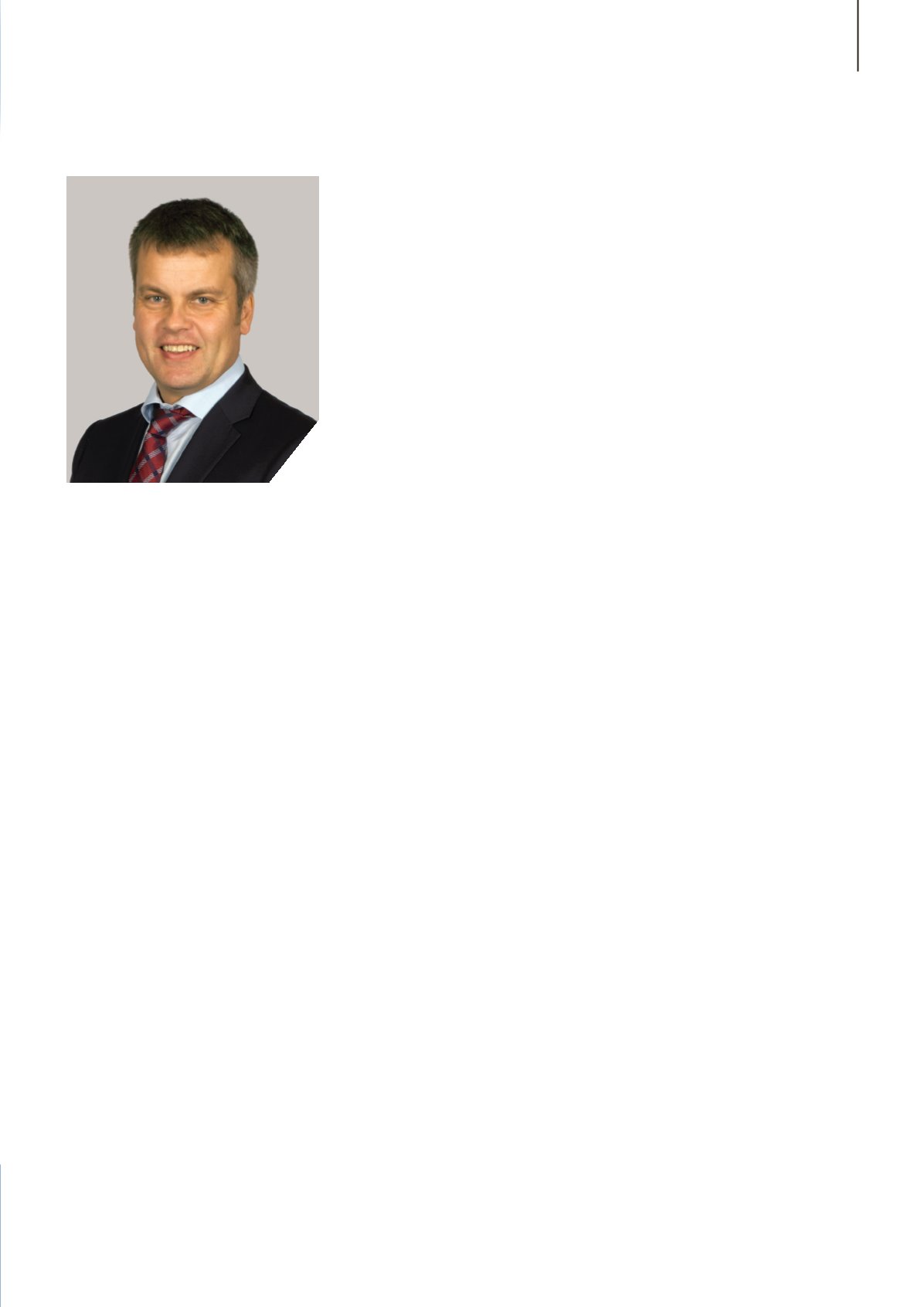
Dr Dion Forstner
I am pleased to report that much
progress has been made in the past
12-18 months, through the active
participation of the Faculty Council, its
standing committees, special interest
groups and working groups. I anticipate
2016 will be a year full of opportunities
and challenges for the Faculty of
Radiation Oncology. I look forward
to working with all members to help
achieve our profession-specific strategic
priorities.
I encourage those members who have
not read our Code of Ethics to read
and reflect on these, particularly in light
of the increased scrutiny and issues in
the media in 2015 that many of you will
be aware of. It was heartening to see
Fellows stand up for what is right.
Advocacy for appropriate funding for
radiation oncology in Australia will
be a top priority for the Faculty. We
are expecting a large amount of work
around the review of the Medicare
Benefits Schedule (MBS) and the Health
Program Grants (HPG) Scheme.
All Standing Committees have
developed their work plans for the near
future, which are focused on achieving
the strategic priorities of the Faculty.
The Faculty Council also had a planning
day on 25 February, which was an
opportunity to review the current risks
facing our sector, identify any new risks,
as well as review the Faculty’s current
initiatives and priorities for the year
ahead.
I would like to extend a warm welcome
to A/Prof Margot Lehman, and Dr Liz
Kenny as new members of the Faculty
Council, and thank all other Councillors
for staying on and providing ongoing
support to the Faculty. The 2016 Council
is enthusiastic and committed to working
towards access to high quality radiation
oncology services, best practice training
and increased awareness of radiation
therapy in both Australia and New
Zealand.
Profile and Presence of
Radiation Oncology
Raising the profile of radiation
oncology remains a key focus for the
Faculty through the Targeting Cancer
campaign. We were very pleased with
the documentary on radiation oncology,
Below the Radar
, which was developed
in collaboration with Dr Norman Swan
and Tonic Health Media. It is an excellent
piece to help spread the word on
radiation therapy, and I congratulate
A/Prof Sandra Turner and the Targeting
Cancer team on this initiative. The
documentary is now available on
www.targetingcancer.com.au/our-stories/our-first-tv-documentary-on-radiation-
therapy/
Several of the other Targeting Cancer
activities will continue this year, including
the GP Oncology Education Evenings,
ongoing update of the website with
new content and information, and
engagement with consumers and
other stakeholders. I encourage all
members to participate in this important
initiative, to help raise the profile of our
profession, and ultimately increase the
utilisation rate of radiation therapy.
Please contact
faculty@ranzcr.edu.auif
you are interested in getting involved.
Funding for Radiation Oncology
in Australia
Intensity modulated radiation therapy
(IMRT) and image guided radiation
therapy (IGRT) are finally recognised in
the Medicare Benefits Schedule (MBS)
effective 1 January 2016. This is the
result of several years of work by many
individuals, and I would like to thank
our members who had provided input
and contributed to the success of this
advocacy effort.
I would appreciate feedback if there are
any issues with these item numbers.
We have also been notified that the
Oncology Clinical Committee of
the MBS Review Taskforce is being
established, and it is likely that a few
radiation oncologists will be part of that
committee.
The Radiation Oncology Health
Program Grants (ROHPG) scheme was
introduced in 1988 to help ensure the
regular replacement of radiation therapy
equipment. In 2015, the Australian
National Audit Office (ANAO) conducted
an audit of the ROHPG scheme, which
the Faculty provided input into.
In February this year, the Department
of Health (DoH) announced a further
review of ROHPGs, to specifically look
at the purpose, benefits and limitations
of the scheme, equipment eligibility and
alternative funding models.
continued over...