


 25 / 66

23
Peer review process
6.7.
The VASM peer review process is a retrospective examination of the clinical management of patients who died while
under the care of a surgeon. All assessors (first- and second-line) must decide if the death was a direct result of the
disease process alone, or if aspects of the management of the patient may have contributed to the outcome. FLAs
were completed in 6,179 cases. Each first-line assessor had to decide if the treating surgeon had provided adequate
information to allow a conclusion to be reached. If the information was deemed inadequate then an SLA or case note
review was requested. Other triggers for requesting an SLA are:
•
a more detailed review of the case is required, which could better clarify events leading up to death
•
death is unexpected, for example in a young, fit patient with benign disease or a day surgery case
•
insufficient information provided by the treating surgeon.
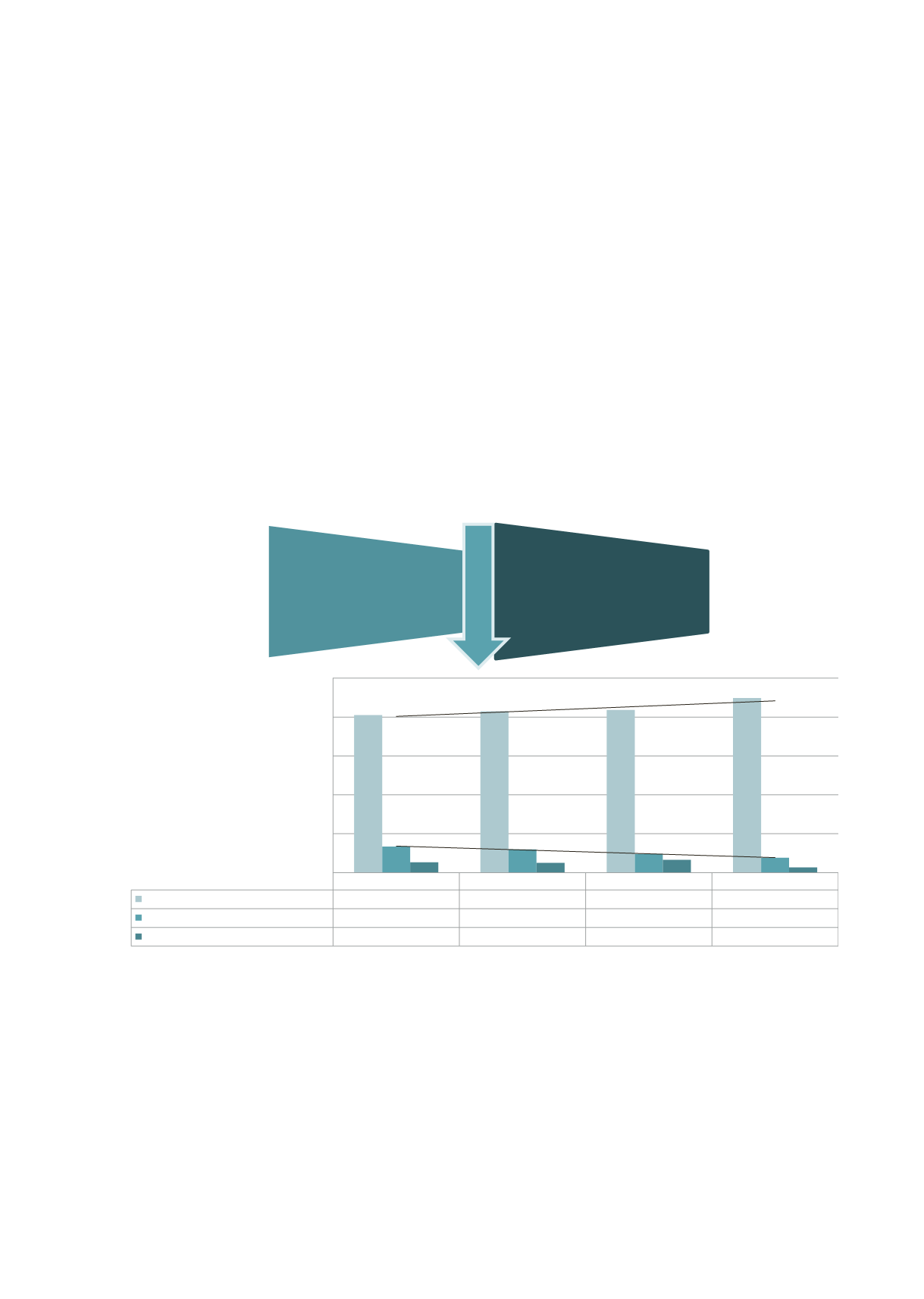
The number of SLAs required due to a lack of information provided in the SCF is an indirect measure of surgeon
compliance in the audit process. SLAs required for the other triggers may represent suspected issues of clinical
management. The lack of information provided in the SCFs has decreased since the beginning of the audit, but still
requires improvement. The reasons given for referral for SLA are provided in Figure 8.
Figure 8: Reason for referral for second-line assessment (SLA).
Note: total n=6,179.
Audit period 1 July 2007 to 30 June 2015.
Data not available: n=7 (<1%).
2007-2012
2012-2013
2013-2014
2014-2015
SLA not required
81.0%
83.0%
83.7%
89.7%
SLA due to insufficient information
13.5%
12.0%
9.6%
7.6%
SLA further investigation
5.4%
5.0%
6.6%
2.7%
0%
20%
40%
60%
80%
100%
Assessment referral (%)
Audit period
17.3%
Referral for second-line
2007-2014
10.3%
Referral for second-line
2014-2015