



 31 / 66

29
7.1.1 Unplanned return to the operating room
An unplanned return to the operating room is usually necessitated by the development of a complication requiring
further operative intervention. Some complications following complex surgery are to be expected due to the pre-
existing comorbidity profile, surgical risk status and the nature of the disease being treated. However, a high rate of
return to the operating room can indicate that the care being provided could be improved, and it is an overall VASM,
VSCC and DHHS goal to see the trend decreasing over future audit periods.
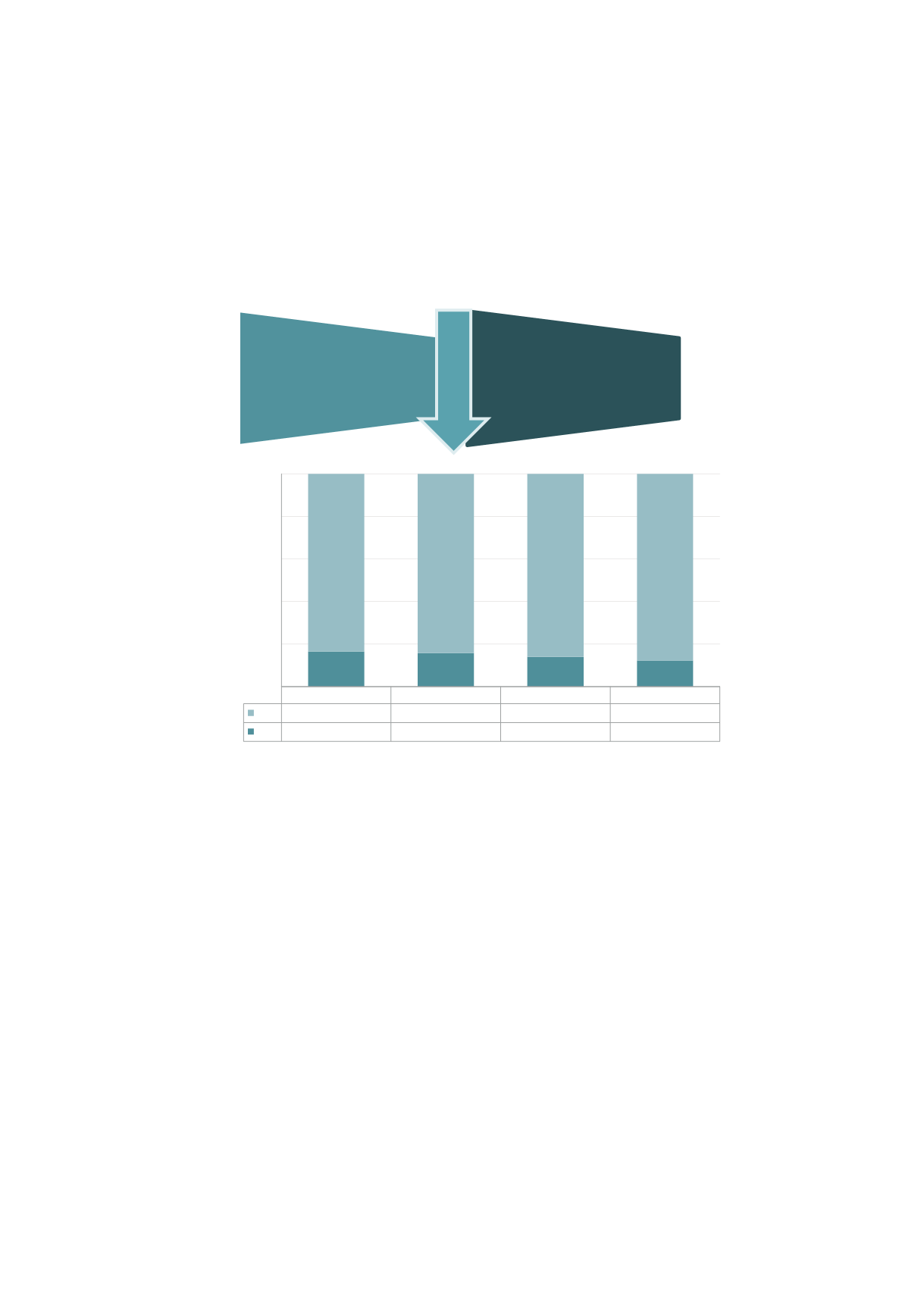
Figure 13: Unplanned return to the operating room
Note: total n=7,270 episodes in 5,184 patients having operative treatment.
Audit period 1 July 2007 to 30 June 2015.
Missing data: n=56 (<1%).
Comments:
•
An unplanned return to the operating room was reported in 15.1% (785/5,184) of cases in which a surgical
procedure was performed. These figures are similar to the national mortality audit findings.
(18)
•
There has been a slight variation of trends in the frequency of unplanned returns during the audit period, which
dropped from 16.4% (442) in the 2007-2012 period to 12.3% (87) in the 2014-2015 period, which is not statistically
significant, and an overall decrease in this over the audit period would be desirable.
The increased trend over time of senior consultants performing surgery at an unplanned return to the operating room
is highly recommended and appropriate when considering the patient’s surgical risk profile and operative
complications (see Figure 14).
2007-2012
2012-2013
2013-2014
2014-2015
No
83.6%
84.3%
86.1%
87.7%
Yes
16.4%
15.7%
13.9%
12.3%
0%
20%
40%
60%
80%
100%
Return to theatre (%)
15.1%
Unplanned return
2007-2014
12.3%
Unplanned return
2014-2015
Audit period