


 36 / 66

34
Clinically significant infections
7.2.
In 2012 the VASM started collecting data points on clinically significant infections. The VASM monitors trends and if
the infections were acquired pre- or post-operatively from the available retrospective mortality data of infections at
hospitals.
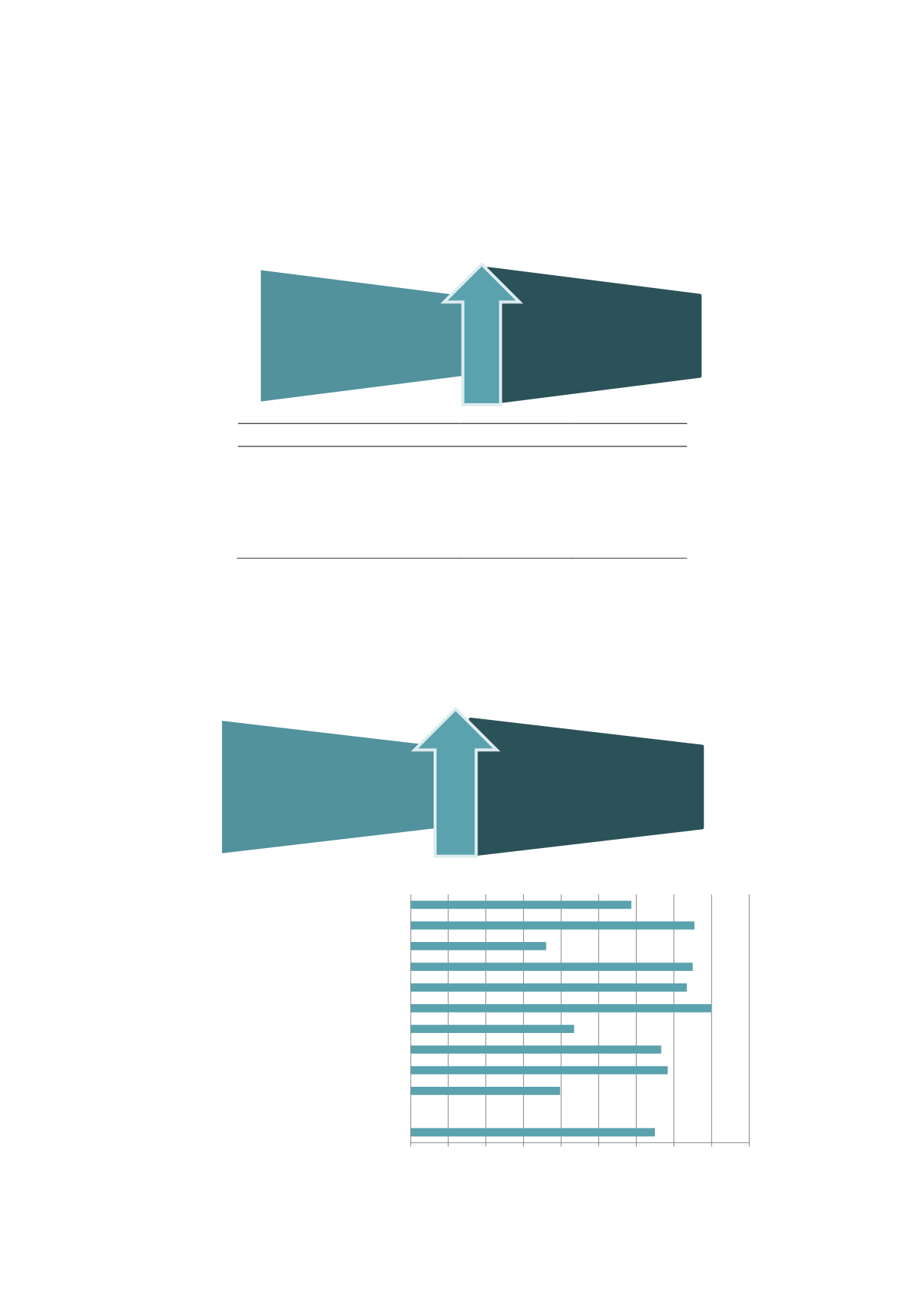
Table 5 and Table 6 outline the type and timing of infection respectively, while Figure 18 compares infection rates
across the various surgical specialties.
Table 5: Clinically significant infections by type.
Infection type
Frequency
%
Pneumonia
500
47.8%
Systemic infection
131
12.5%
Septicaemia
273
26.1%
Other*
135
12.9%
Total
1,039
100%
Note: total n=1,046 patients.
Audit period 1 July 2011 to 30 June 2015.
Other infections*: Clostridium difficile, Candida albicans, Escherichia coli, Enterobacter aerogenes, Enterococcus, Klebsiella, Lactobacillus,
Methicillin-resistant Staphylococcus aureus, Methicillin-sensitive Staphylococcus aureus, Staphylococcus haemolyticus, Staphylococcus pyogenes,
Staphylococcus aureus, Varicella, yeast and mixed organisms.
Data not available: n=7 (<1%).
Figure 18: Clinically significant infections by specialty.
Note: total n=1,046 patients.
0.0% 5.0% 10.0% 15.0% 20.0% 25.0% 30.0% 35.0% 40.0% 45.0%
All specialties
Vascular Surgery
Urology
Plastic Surgery
Paediatric surgery
Otolaryngology Head and Neck Surgery
Orthopaedic Surgery
Obstetrics and gynaecology
Neurosurgery
General Surgery
Cardiothoracic Surgery
Infections (%)
Specialty
26.7%
Infections
2012-2014
32.4%
Infections
2014-2015
69.4%
Infections acquired postoperatively
2012-2014
78.1%
Infections acquired postoperatively
2014-2015