



 42 / 66

40
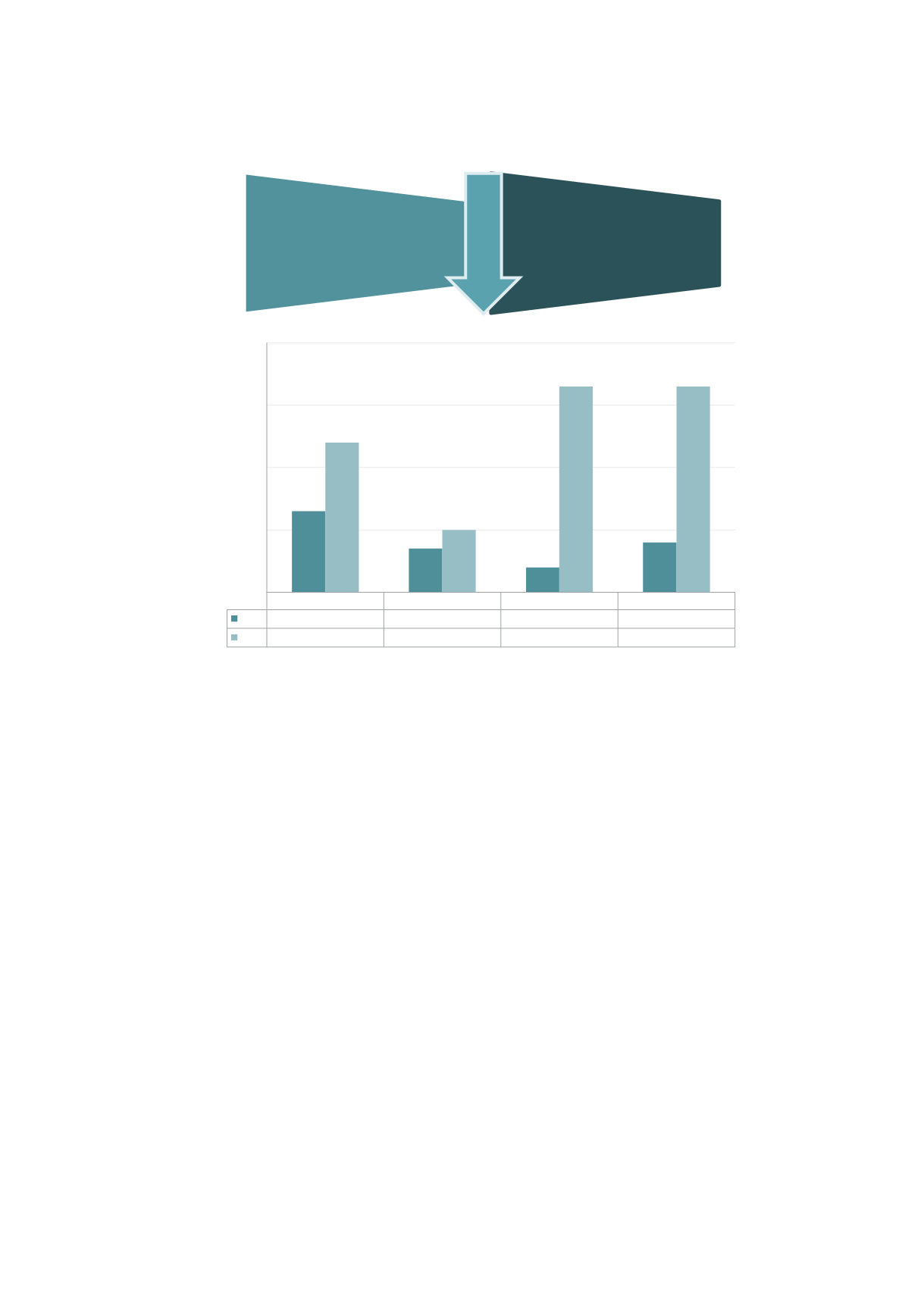
Assessors were asked to comment on the appropriateness of withholding prophylaxis as outlined in Figure 23.
Figure 23: Assessor perception of appropriateness of decision to withhold DVT prophylaxis.
Note: total n=1,042 patients not receiving prophylaxis in 5,184 operative cases.
Audit period 1 July 2007 to 30 June 2015.
Data not available: n=86 (2%) in 5,184 operative cases.
DVT: deep vein thrombosis; FLA: first-line assessment; SLA: second-line assessment.
Comments:
•
Assessors (FLA and SLA) felt that the decision to withhold DVT prophylaxis on clinical grounds was appropriate in
the majority of cases (74.2%; 774/1,042).
•
Assessors (FLA and SLA) felt that in only 3.6% of cases in which a patient did not receive DVT prophylaxis they
would have benefited from it (37/1,042). This percentage has decreased over time in successive audit years but
this encouraging trend has not reached statistical significance (
p
=0.076).
•
The assessors (FLA and SLA) could not accurately assess the appropriateness of the decision to withhold DVT in
17.2% of cases due to insufficient evidence in the audit documentation (180/1,042).
•
The tendency of second-line assessors to be more critical than FLA of clinical management events was
foreseeable, as second-line assessors have the opportunity to review patient medical records.
2007-2012
2012-2013
2013-2014
2014-2015
FLA
2.6%
1.4%
0.8%
1.6%
SLA
4.8%
2.0%
6.6%
6.6%
0%
2%
4%
6%
8%
Inappropriate withholing of DVT prophylaxis
(%)
5.2%
Would have benefited DVT
2007-2014
4.1%
Would have benefited DVT
2014-2015
Audit period