



 43 / 66

41
Adequacy of provision of critical care support to patients
7.5.
Critical care is essential to support acute medical admissions as they represent the most seriously ill group of patients.
Ideally, critical care facilities should be co-located with the emergency department and surgical departments especially
in larger acute hospitals. A close working relationship between the surgical team and the critical care unit (CCU) is
essential, although not all surgical patients require critical care support.
The treating surgeon was asked to record if their patient received critical care support before or after surgery. The
first- and second-line assessors also reviewed the appropriateness of the use of critical care facilities for patients.
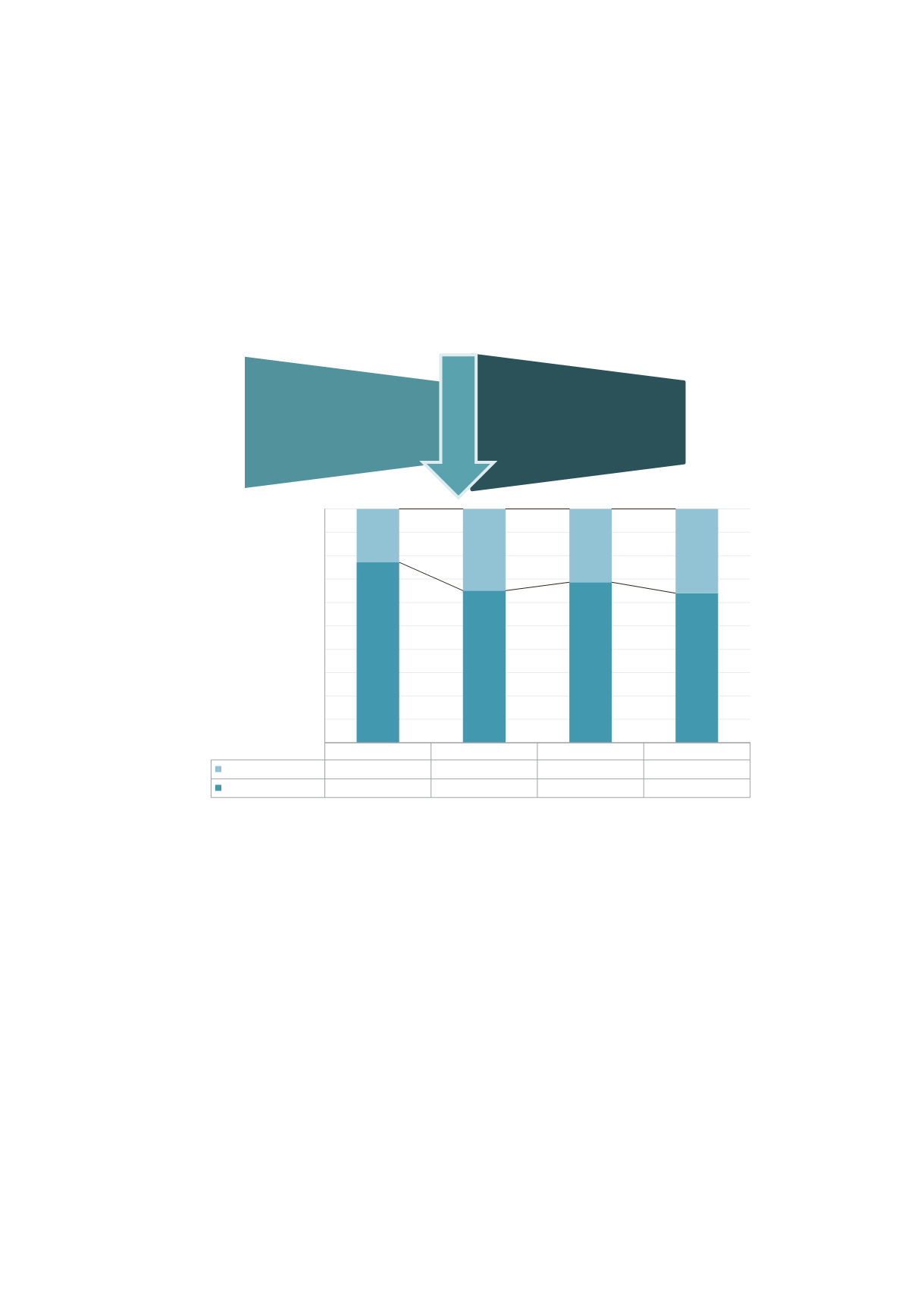
Figure 24: Provision of critical care support
Note: total n=5,184 operative cases,
Audit period 1 July 2007 to 30 June 2015.
Data not available: n=422 (8%).
CCU: critical care unit.
Comments:
•
This question was reframed in 2010 to make it more informative and reduce the amount of missing data. The data
collected from 2007 to 2010 has been remapped to the current data format.
•
During their inpatient hospital stay, 66.6% (3,402/5,184) of patients received critical care support.
•
The utilisation of critical care support has steadily increased, from 44.6% (42/94) in 2007-2008 to 64.0% (400/623)
in 2014-2015.
•
The use and need for critical care is higher in emergency cases.
•
It should be acknowledged that not all hospitals have critical care services and should therefore triage patients
accordingly. Analysis of 4,514 cases identified a slight, statistically insignificant difference in CCU usage between
rural hospitals (63.7% of patients received CCU care) and metropolitan hospitals (67.4% of patients received CCU
care).
2007-2012
2012-2013
2013-2014
2014-2015
CCU not provided
22.8%
34.9%
31.4%
36.0%
CCU provided
77.2%
65.1%
68.6%
64.0%
0%
10%
20%
30%
40%
50%
60%
70%
80%
90%
100%
Critical care utilisation (%)
70.3%
CCU provided
2007-2014
64.0%
CCU provided
2014-2015
Audit period