


 39 / 66

37
Deep vein thrombosis prophylaxis
7.4.
The goal of this section is to identify if strategies are in place for treatment against the formation of deep vein
thromboses and subsequent pulmonary embolism in patients at risk. There are effective pharmacological and
mechanical preventive options available; however, DVT remains a major cause of mortality in hospital patients across
Australia. The clinical practice guidelines for the prevention of venous thromboembolism in patients admitted to
Australian hospitals
(4, 22)
are reviewed and updated periodically to facilitate the best care available to patients.
The recommendations in the guidelines and the VASM report are intended to encapsulate the available evidence on
the prevention of DVT. However, the guidelines should only be followed subject to the judgement of clinicians caring
for individual patients and the patients’ own preferences.
The treating surgeon has to record if DVT prophylaxis was given and what type of prophylaxis was actually used. The
reasons given for not providing DVT prophylaxis are displayed in this section.
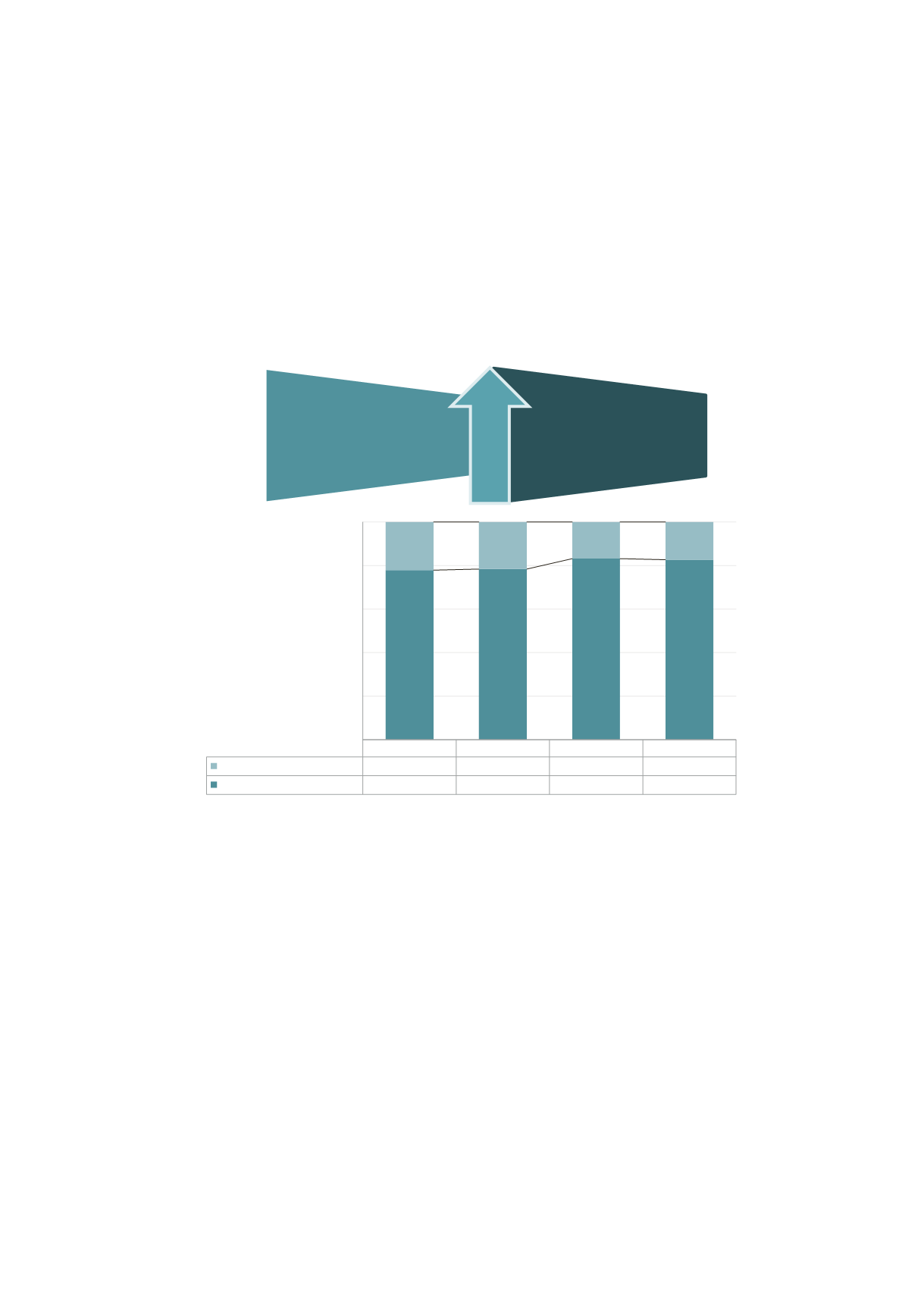
Figure 20: DVT prophylaxis use during the audit period.
Note: total n=5,184 operative cases.
Audit period 1 July 2007 to 30 June 2015.
Data not available: n=86 (2%).
DVT: deep vein thrombosis.
Comments:
•
The use of DVT prophylaxis has risen slightly from 77.9% (2,088/2,679) in 2007–2012 to 82.7% (716/865) in
2014–2015 (
p
<0.05).
•
The VASM data suggests that use of DVT prophylaxis is similar in both elective and emergency cases (data
not shown).
2007-2012
2012-2013
2013-2014
2014-2015
DVT prophylaxis not used 22.1%
21.6%
16.8%
17.3%
DVT prophylaxis used
77.9%
78.4%
83.2%
82.7%
0%
20%
40%
60%
80%
100%
DVT prophylaxis utilisation (%)
79.8%
DVT prophylaxis used
2007-2014
82.7%
DVT prophylaxis used
2014-2015
Audit period