



 33 / 64

Quality Training
Volume 12 No 2
I
March 2016
33
ACER suggested initiatives in the areas
of exam development, exam review
and data collection and reporting that
will result in increased educational
expertise and resources across the
College’s committees, examiner teams
and staff. This will enable the College
to consistently deliver examinations of
the highest standard and to provide
trainees with more meaningful and
comprehensive feedback on their
performance.
Certain elements of the proposals have
already commenced, with ACER running
a workshop on exam development,
psychometric analysis and scoring
processes with a number of lead
examiners in clinical radiology. These
will continue to be rolled out in both
Faculties throughout 2016 and 2017.
The review highlighted the need for
improved software capabilities in the
area of examination design and delivery.
In 2016, the College will be exploring
options for a system that allows for
centralising and streamlining of the
exam development cycle, resulting in a
reduction in workload and complexity
for examiners and College staff.
Clinical leaders who attended the
workshops have spoken strongly
and consistently about the need to
streamline program requirements
and clarify the purpose of different
assessments and training requirements.
Time was devoted to discussion about
trainee workload, alignment of training
and work-based requirements and
clarifying expectations of trainees. The
tenor of discussion was similar regarding
the role and support for directors of
training and clinical supervisors. The
planning days highlighted the need for
better alignment across College training
requirements and increased support
for trainees, directors of training and
supervisors.
At the conclusion of each planning day,
a list of priorities was generated, to be
incorporated into the College work
plan. Moving forward, it is envisaged
that a task force will be formed under
the auspices of the College Board with
strong leadership by the Chief Censors,
to plan and oversee the ongoing
implementation process.
The Chief Censors, on behalf of the
College, would like to assure all
trainees, DoTs and supervisors that
the matter of assessment alignment
and training program workload are
at the centre of the review and the
proposed work plan.
Any forthcoming improvements to the
training programs will be communicated
well in advance of their introduction
to give all clinicians an opportunity to
provide feedback.
The reviews made special mention of
the level of commitment of the Fellows
in both Faculties, and emphasised
that the great strength of the Specialty
Training programs lies in the dedication
and expertise of those involved. The
College would like to thank all of you
who contribute to training the next
generation of radiologists and radiation
oncologists, and we look forward to
an exciting new phase of development
in 2016.
If you have any questions regarding
the project, please contact the
Chief Censors, C/OMs Pamela
Taylor, Head of Specialty
Training, and Mr Adam Rayment,
Instructional Designer, Specialty
Training Unit at the College on
adam.rayment@ranzcr.edu.auor +61 2 9268 9706.
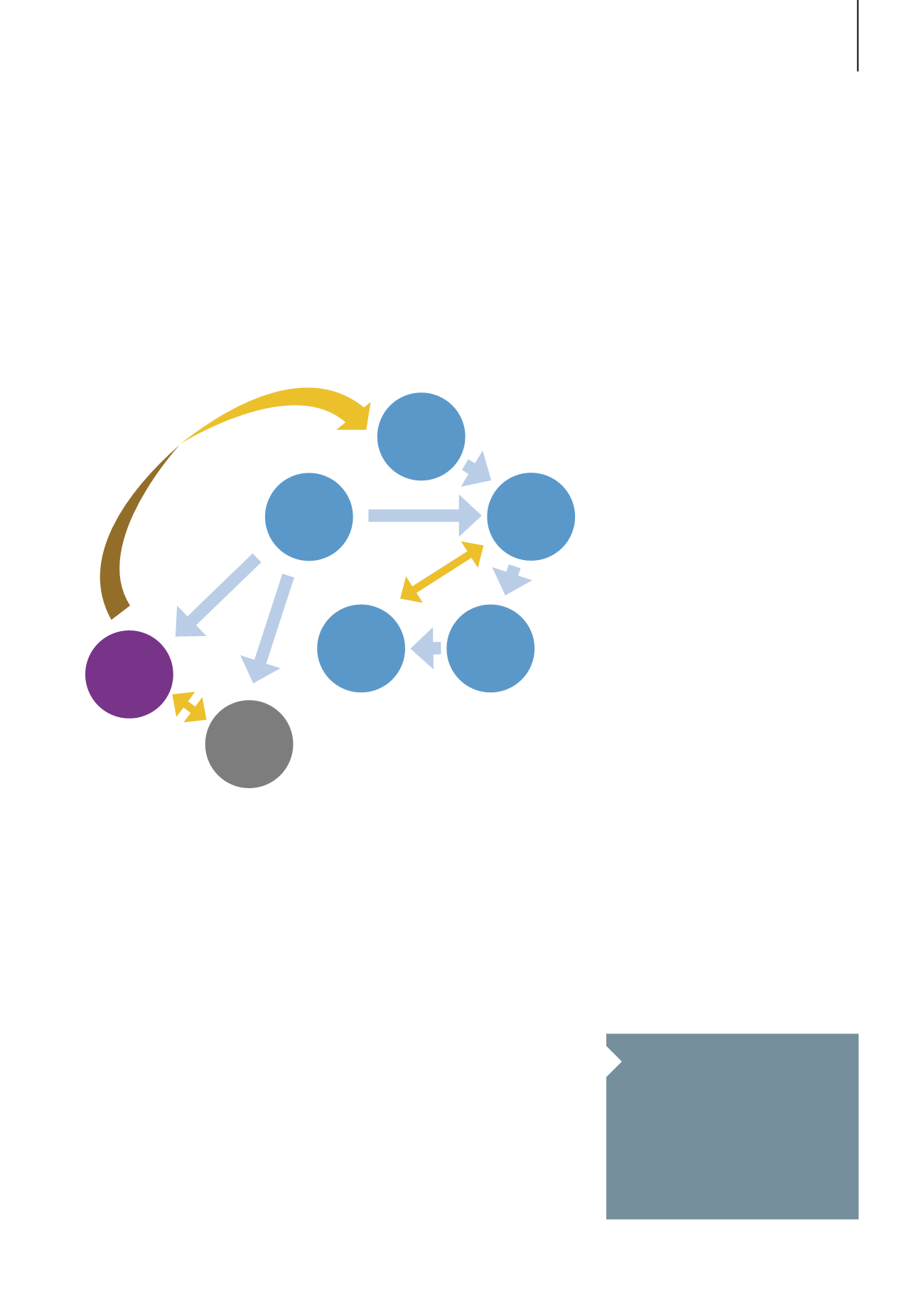
From ACER presentation to Clinical
Radiology and Radiation Oncology
Planning Days, Feb 2016
Standard
setting
Reporting to
candidates
Scoring
processes
Item analysis,
Exam review
Exam delivery /
Data collection
Exam
development,
iterative and
collaborative
Assessment
framework /
blueprinting