


 40 / 60

40
|
CENTRAL COAST
REGIONAL SNAPSHOT
2016
Dwelling Approvals and Completions
Compared to the Projected
Housing Demand
NSW Government produces and publishes Housing Monitor
Reports and the quarterly Metropolitan Development Program
which monitors housing in Sydney in the Central Coast.
Analysis of the NSW Department of Planning and Environment
Housing Monitor Reports including housing approvals and
completion data and the Projected Housing Demand outlined in
the Draft Central Coast Regional Plan indicates that the Central
Coast dwelling completion rates have not kept up with the
projected housing demand over the past several years.
Central Coast NSW’s building approvals are used as a leading
indicator of the general level of residential development, economic
activity, employment and investment. Residential building activity
depends on many factors that vary with the state of the economy
including interest rates, availability of mortgage funds, government
spending, and business investment.
By increasing the supply and variety of housing in established,
accessible areas or investigating the potential housing capacity
within the Central Coast’s regional economic corridors and
associated centres this identified housing shortage can be reduced.
Sustainable Communities and Population Growth
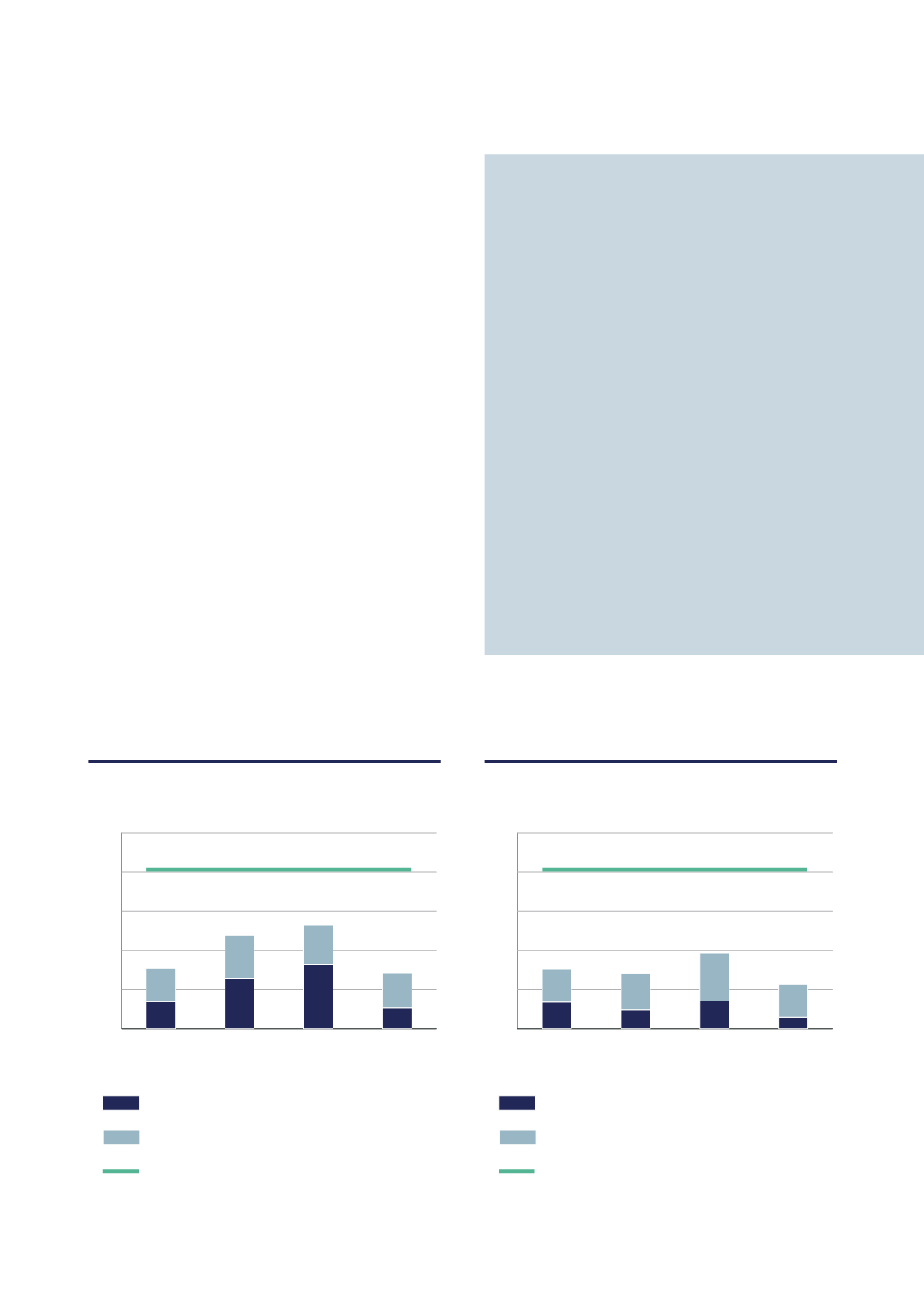
DWELLING APPROVALS - MULTI UNIT
NET DWELLING COMPLETION - MULTI UNIT
0
500
1000
1500
2000
2500
Wyong Area
Gosford Area
July - Oct 2015
2014/15
2013/14
2012/13
348
426
646
545
817
504
272
441
Projected Housing Demand (DPE 2016)
0
500
1000
1500
2000
2500
Wyong Area
Gosford Area
July - Oct 2015
2014/15
2013/14
2012/13
344
414
244
462
354
612
149
417
Projected Housing Demand (DPE 2016)
to accomodate the
projected housing
growth over the next
20 years, 2,075 new
homes will be needed
each year, on average.
this is 685 more homes
each year than the
average annual housing
production of 1,390
dwellings over the 19
years to 2014-15.
SOURCE:
(DPE 2016)
SOURCE:
(DPE 2016)